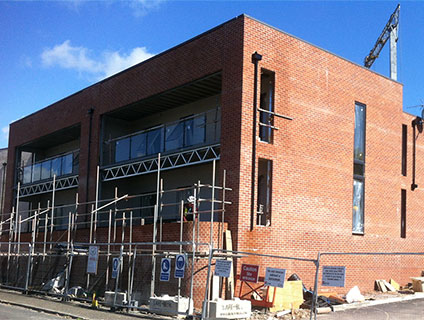



Steel framing has become a go to solution for modern construction projects across the United Kingdom. Its combination of strength, durability, and design flexibility makes it suitable for a wide range of residential, commercial, and industrial applications. At U-Roof, we specialise in high-quality steel framing solutions tailored to UK projects.
Here’s a guide to the different cases where steel framing is ideal.
Introduction to Steel Framing
Steel framing systems have become a cornerstone of the modern construction industry, offering a host of benefits that make them a preferred choice for a wide range of projects. At their core, steel framing systems use engineered steel components – such as columns, beams, and trusses – to create a robust framed structure. This approach is well suited for both residential developments and large-scale commercial buildings, thanks to its versatility and adaptability. Modern methods of construction increasingly rely on steel framing for its cost efficiency, speed, and ability to create complex building forms with ease. Whether you’re constructing a new home or a multi-storey office, steel framing systems provide an efficient, high-quality solution that meets the demands of today’s construction landscape.
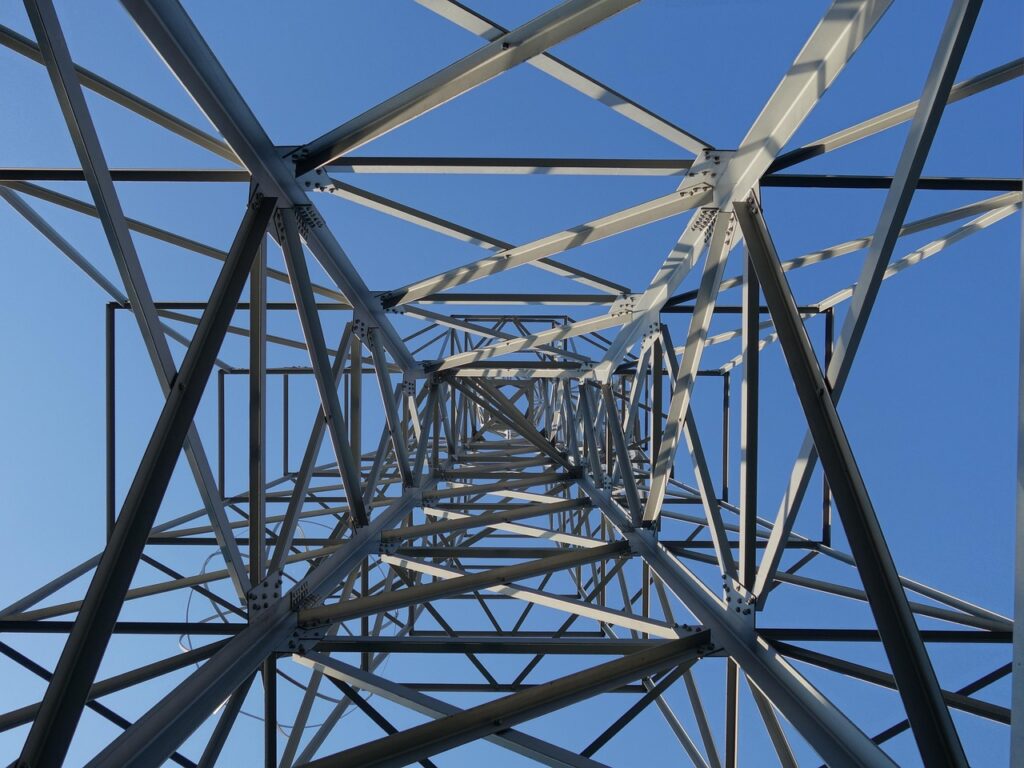
1. Residential Construction: Homes, Extensions, and Lofts
Steel framing is perfect for modern residential builds, including:
- New homes: Provides strong, lightweight support for open-plan living. Light steel framing is commonly used in residential construction for its durability and compliance with moisture protection standards, such as those set by the NHBC.
- Extensions: Side or rear extensions benefit from steel’s strength, allowing larger spans without load-bearing walls. Bolts are used to securely connect steel members in extensions, ensuring structural stability.
- Loft conversions: Slim steel beams provide structural support without taking up excessive space, allowing for flexible ceiling heights and easy integration with modern ceiling designs.
Brickwork and cladding are popular exterior finishes that can be integrated with steel framing to enhance both aesthetics and performance.
Advantages for UK homeowners include resistance to rot, mold, and insects – common problems in damp climates – and faster installation compared to traditional timber framing. Steel framing systems can be quickly installed, reducing disruption and project timelines.
Steel is also a sustainable material choice for residential construction.
2. Commercial Buildings: Offices, Warehouses, and Retail
Steel frames are ideal for commercial structures where large, open interiors are required:
- Offices: Flexible layouts and wide spans for collaborative spaces. Steel framing supports large floor spans and integrates with floor slabs, allowing for open-plan interiors. The span length is a key consideration in designing these open commercial spaces.
- Warehouses: High load-bearing capacity for storage and heavy equipment. Bolts are commonly used to connect beams and columns, ensuring stability in large open spaces.
- Retail spaces: Large spans without columns, making layout design simpler.
Cladding systems are often used on the exterior of commercial steel-framed buildings to provide both insulation and architectural appeal.
The choice of steel as a material contributes to sustainability and efficiency in commercial construction by reducing embodied carbon and enabling lightweight, resource-efficient structures.
The shape and form of steel framing systems allow for flexible and innovative commercial building designs, accommodating a wide range of architectural requirements.
Steel’s strength and durability ensure these buildings can handle heavy loads and long-term usage with minimal maintenance.
3. Industrial Applications
For industrial projects, steel framing provides:
- Stability for multi-storey structures
- Support for machinery and storage systems, with bolts used for secure connections in industrial steel frameworks
- Long-term resilience even in challenging environmental conditions
Industrial buildings often use concrete walls or cores alongside steel framing to enhance stability and fire resistance.
Slabs supported by steel beams are commonly used for heavy machinery and storage.
Cladding systems are used on the exterior of industrial buildings for protection and insulation.
The choice of steel as a material ensures long-term durability in industrial environments.
The form and shape of steel framing systems can be tailored to meet the specific needs of industrial facilities.
Its fire-resistant and non-combustible properties also enhance safety for industrial facilities.
4. Extensions and Renovations
When upgrading an existing property, steel framing is ideal for:
- Side and rear extensions
- Loft conversions
- Open-plan interior redesigns, allowing for flexible ceiling layouts
The high strength-to-weight ratio allows minimal disruption to existing structures while providing maximum support for new layouts.
Steel framing can be quickly installed during renovations, minimizing disruption. Bolts are used to securely connect new steel elements to existing structures. Cladding and brickwork can be used to update the exterior appearance of renovated buildings. Choosing steel as a material for renovations enhances durability and performance.
5. Weather-Resistant and Coastal Applications
UK weather is unpredictable, with rain, wind, and coastal exposure posing challenges. Steel framing is:
- Resistant to rot, warping, and moisture
- Durable in coastal environments when treated or galvanised
- Long-lasting even in high-humidity conditions
Cladding systems are essential for protecting the exterior of steel-framed buildings in harsh weather conditions. The choice of steel as a material ensures long-lasting performance in coastal environments. Steel framing can be quickly installed even in challenging weather conditions. Bolts are used for secure connections in high-wind or coastal areas. Concrete elements can be incorporated for additional stability and fire resistance in coastal applications.
This makes it superior to traditional timber in regions prone to damp or extreme weather.
6. Modular Homes and Prefabricated Structures
Steel framing is widely used in modular construction:
- Prefabricated panels for faster on-site assembly
- Lightweight yet strong support for multi-storey modular builds
- Eco-friendly construction, as steel is fully recyclable
Modular steel framing systems are rapidly installed on site, reducing construction time. Steel is an efficient material for modular construction, minimizing waste and embodied carbon. Precast slabs with concrete topping are often used for enhanced load support in modular buildings. Cladding systems are applied to the exterior of modular buildings for insulation and aesthetics. Bolts are used for quick and secure assembly of modular components. The form and shape of modular steel framing systems can be customized to meet different architectural needs.
UK developers benefit from shorter build times and consistent quality using steel-framed modular systems.
7. Sustainable and Energy-Efficient Buildings
Steel framing supports sustainable construction initiatives:
- Fully recyclable, reducing environmental impact
- Precision-engineered frames improve insulation integration
- Enables energy-efficient design, lowering long-term operational costs
The choice of steel as a material reduces embodied carbon and supports sustainable construction. Cladding systems on the exterior of steel-framed buildings improve energy efficiency by supporting external insulation and high-performance façade finishes. Steel framing systems can be quickly installed, reducing construction waste and environmental impact. Optimizing the form and shape of steel-framed buildings enhances energy performance and architectural flexibility. Concrete elements can also be incorporated for additional thermal mass and energy efficiency in hybrid systems.
Eco-conscious builders and homeowners increasingly prefer steel for both environmental and performance reasons.
Comparison with Traditional Methods
When compared to traditional blockwork, steel framing systems stand out for their superior performance and efficiency. One of the key advantages is their reduced weight, which not only simplifies transportation and handling but also allows for more flexible design options. Steel framing systems deliver enhanced fire performance, providing greater safety for both residential and commercial buildings. The ability to manufacture components off site and assemble them quickly on site leads to significant cost savings and faster project completion. This off-site approach also ensures a consistently high level of quality, making steel framing a perfect choice for projects where performance and reliability are paramount. Additionally, steel framing systems are highly sustainable, as steel is fully recyclable and the construction process generates minimal waste – making it an environmentally responsible option for the construction industry.
Structural Systems in Steel Framing
Steel framing systems are built on a foundation of carefully engineered structural components, each playing a vital role in the overall stability and strength of the building. Steel beams are typically used to support floors and roofs, providing the horizontal strength needed for a wide range of building types. Columns offer essential vertical support, transferring loads safely to the foundation. Studs, often made from light gauge steel, are used to frame internal and external walls, creating a strong yet lightweight structure. Structural hollow sections – such as square and rectangular hollow sections – add further rigidity and load-bearing capacity, making them ideal for both residential and commercial applications. By combining these components, steel framing systems deliver efficient, reliable solutions that can be tailored to suit different sizes and shapes of buildings.
Safety and Quality Considerations
Safety and quality are at the heart of every successful steel framing project. Steel framing systems are designed and manufactured to meet stringent safety standards, ensuring they can withstand a range of loads, including wind loads and fire exposure. The use of high-quality steel and precision engineering guarantees that each frame is both efficient and durable. Regular inspections and rigorous testing are carried out during installation to ensure the system is assembled correctly and performs as intended. Organisations like the Light Steel Frame Association (LSFA) provide valuable guidance on best practices, helping clients and architects achieve the highest standards of safety and quality. By partnering with reputable manufacturers and installers, clients can be confident that their steel framing system will deliver long-lasting performance, efficiency, and peace of mind.
Why Choosing the Right Steel Framing Installer Matters
Even the strongest steel beams require professional design and installation. A trusted installer ensures:
- Accurate structural calculations
- Proper on-site handling and assembly, including the correct use of bolts during installation
- Compliance with UK building regulations
- Long-term safety, stability, and performance
At U-Roof, we combine technical expertise, UK-focused knowledge, and high-quality material, ensuring your steel framing system is properly installed for reliable, long-term performance.